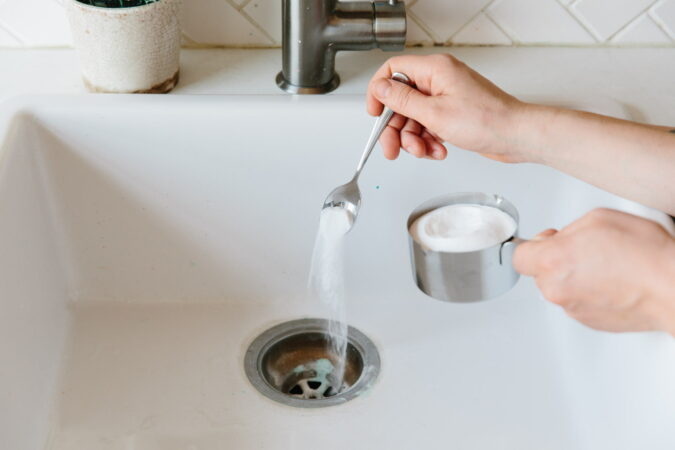
Smelly Drain Problems: Eliminate Odors Before They Spread
A bad drain smell rarely improves by ignoring it. Smelly drain problems can come from trapped food, soap residue, bacterial buildup, a dry drain trap, or a plumbing issue deeper in the system. Finding the source matters because masking the odor with fragrance won’t remove what is producing it.
Why Does a Drain Start Smelling?
Kitchen drains commonly collect grease, food particles, and organic residue along the pipe walls. Bathroom drains develop a different mixture of soap film, hair, skin oils, and moisture that can produce unpleasant odors as bacteria break the material down.
A rarely used sink, shower, or floor drain creates another possibility. Water normally sits inside the P-trap and blocks sewer gases from entering the room. If that water evaporates, odors can travel upward through the open drain.
Homeowners exploring broader home maintenance ideas may find that small plumbing symptoms often make more sense when viewed as part of routine household upkeep rather than isolated annoyances.
Locate the Odor Before Cleaning
Smell each drain separately instead of assuming the strongest odor identifies the source. Run water briefly, then check whether the smell improves, remains unchanged, or becomes stronger.
Check the overflow opening
Bathroom sinks often have an overflow passage near the upper edge of the basin. Organic residue can collect inside this hidden channel and produce an odor even when the visible drain looks clean.
Also inspect garbage disposals, removable strainers, sink stoppers, and nearby floor drains. The actual odor source may be only a few inches from the opening you first suspected.
Clean the Drain Without Creating Another Problem
Remove accessible debris first. Clean the stopper or strainer with warm soapy water, then flush the drain with hot tap water where appropriate for your plumbing system.
Never combine different chemical drain cleaners, bleach, acids, ammonia, or household cleaning mixtures. Dangerous fumes or chemical reactions can result. For routine cleaning, mechanical removal and mild cleaning methods are often safer starting points.
General practical household guides can also be useful for building cleaning routines that address sinks, fixtures, ventilation, and surrounding surfaces together.
| Possible Source | Typical Clue | First Check |
|---|---|---|
| Organic buildup | Musty or rotten odor | Stopper and drain walls |
| Dry P-trap | Sewer-like smell | Run water |
| Garbage disposal | Food odor | Splash guard and chamber |
| Venting issue | Odor with gurgling | Plumbing inspection |
Keep Drain Odors From Returning
Avoid regularly pouring cooking grease, coffee grounds, food scraps, or thick oily liquids into kitchen drains. Even materials that seem to wash away can cool farther down the pipe and contribute to buildup.
Run water periodically in guest bathrooms, basement drains, and other fixtures that receive little use. Routine cleaning of strainers and stoppers also prevents residue from becoming established.
Looking through room care references may help you coordinate plumbing upkeep with cleaning tasks in kitchens, bathrooms, laundry rooms, and other moisture-prone spaces.
Mistakes That Keep the Smell Coming Back
Pouring stronger chemicals into a drain every time it smells can hide the underlying issue and may damage some plumbing materials. Odor sprays have the same limitation: they change what the room smells like without fixing the drain.
Don’t assume every sewer-like odor is caused by a dirty pipe either. Persistent smells accompanied by slow drainage, gurgling, backups, or several affected fixtures can point to a venting, trap, or drainage problem that needs professional attention.
Frequently Asked Questions
Can a dry drain really cause a sewer smell?
Yes. Water inside a P-trap forms a barrier against sewer gases. In an unused fixture, that water can evaporate. Running water for a short period may restore the seal if evaporation is the only problem.
Why does my bathroom sink smell even after cleaning the drain?
Residue may be inside the overflow passage, underneath the stopper, or farther down the drain. Cleaning only the visible opening can leave the actual odor-producing material untouched.
When should a plumber inspect a smelly drain?
Consider professional inspection when the odor persists after basic cleaning, affects several fixtures, appears with repeated gurgling or backups, or seems strongly associated with sewer gas.
Stop the Source Instead of Masking It
Treat drain odor as a clue. Clean accessible buildup, restore water to unused traps, watch for drainage changes, and avoid mixing chemical cleaners. If the smell repeatedly returns or appears alongside plumbing problems elsewhere in the house, finding the underlying cause is more useful than another round of deodorizing.