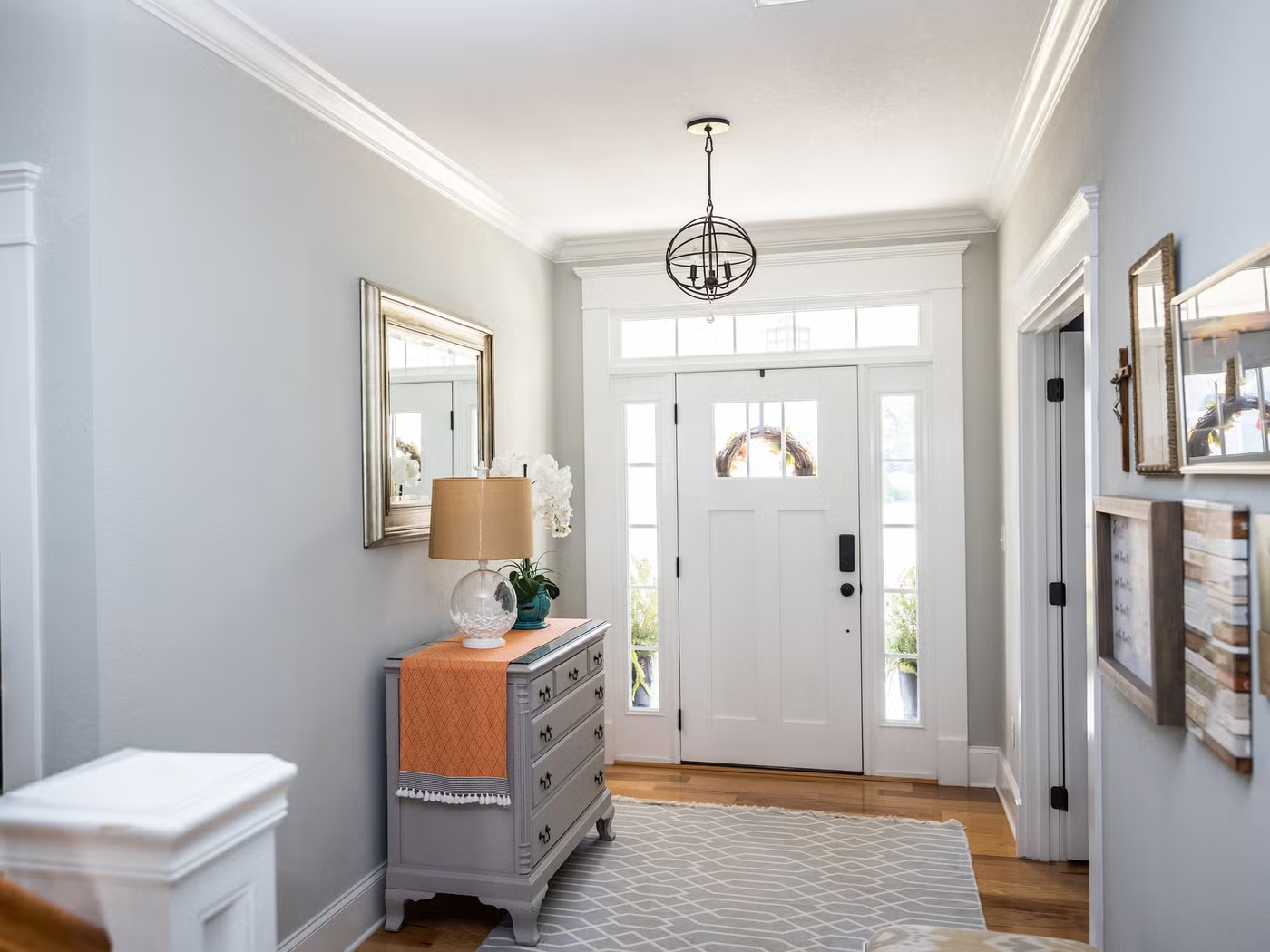
Messy Entryway Areas: Control Daily Clutter Near Doors
Entryways collect clutter because almost everything coming into the home passes through them. Shoes, bags, mail, keys, coats, and packages can overwhelm a small area within days. Controlling messy entryway areas works best when each frequently used item has a simple landing place near the door rather than being carried deeper into the house.
Start With What Actually Lands Near the Door
Before buying organizers, watch what accumulates for several days. A family may need room for backpacks and sneakers, while a one-person household may struggle mainly with mail, reusable shopping bags, and jackets.
Separate daily-use items from things that arrived in the entryway by accident. Looking at broader home organization ideas can help reinforce the same principle: storage works better when it reflects real habits instead of an idealized routine.
Give High-Traffic Items the Easiest Spots
Hooks should hold jackets worn every week, not coats that come out twice a year. The nearest basket should collect everyday accessories rather than seasonal items.
Make the easiest storage locations serve the most frequent actions. If putting something away requires opening three boxes, moving another object, or walking across the room, clutter will probably return.
Build Small Zones Instead of One Large Drop Area
An entryway becomes easier to manage when it has separate zones for shoes, personal items, papers, and outerwear. Even a narrow wall can support several functions through hooks, shallow shelves, and compact containers.
Ideas drawn from organized living spaces can be adapted without copying an entire room design. The useful lesson is dividing limited space according to purpose.
| Clutter Type | Simple Zone | Best Location |
|---|---|---|
| Shoes | Low rack or tray | Beside the door |
| Keys | Small bowl or hook | Near eye level |
| Slim wall holder | Away from shoe storage | |
| Bags | Strong wall hooks | Open vertical wall |
Use Vertical Space Before Adding Floor Furniture
Bulky cabinets can make a small entrance feel tighter. Wall-mounted hooks, peg rails, floating shelves, and over-door organizers often provide storage without reducing walking space.
A compact setup can also borrow ideas from practical interior storage by focusing attention upward. A shelf above coat hooks, for example, can hold baskets for gloves or occasional accessories while keeping the floor clear.
Keep the Walking Path Protected
Storage should never narrow the main path enough that people must step around shoes or bags. Leave frequently used doors, switches, vents, and access panels unobstructed.
If something must sit on the floor, keep it shallow and contained. A defined shoe tray creates less visual disorder than several pairs scattered across the entrance.
Common Entryway Organization Mistakes
One mistake is creating too many storage categories. Seven tiny baskets may look organized on day one but become frustrating when everyone has to remember complicated sorting rules.
Another problem is storing low-use items in prime locations. Formal shoes, seasonal decorations, old umbrellas, or backup bags can quietly occupy the exact space needed for daily belongings. Entryway storage should favor frequency rather than completeness.
Make the System Easy to Reset
A functional entryway should take only a few minutes to restore. Return shoes to their rack, empty the paper holder, hang stray coats, and move anything that belongs elsewhere.
A small container for temporary items can help, but it needs a limit. Once the basket fills, redistribute its contents instead of adding a second catch-all container.
Frequently Asked Questions
How can I organize a small entryway without a closet?
Use wall hooks, a narrow shoe rack, a small tray for keys, and one vertical mail holder. Keeping most storage off the floor preserves valuable walking space.
How often should an entryway be decluttered?
A quick reset once or twice a week is usually easier than waiting for major clutter to build. Mail and packages may need attention more frequently.
What should be stored near the front door?
Prioritize items used when entering or leaving, such as keys, current shoes, everyday bags, coats, umbrellas, and outgoing mail or returns.
Keep the Doorway Working for Daily Life
A tidy entrance doesn’t require a large mudroom or expensive furniture. It needs a few clearly defined places that match what your household actually carries through the door. Start with the most frequent clutter, protect the walking path, and remove low-use belongings from prime storage areas. The simpler the reset routine feels, the more likely the entryway will stay manageable.