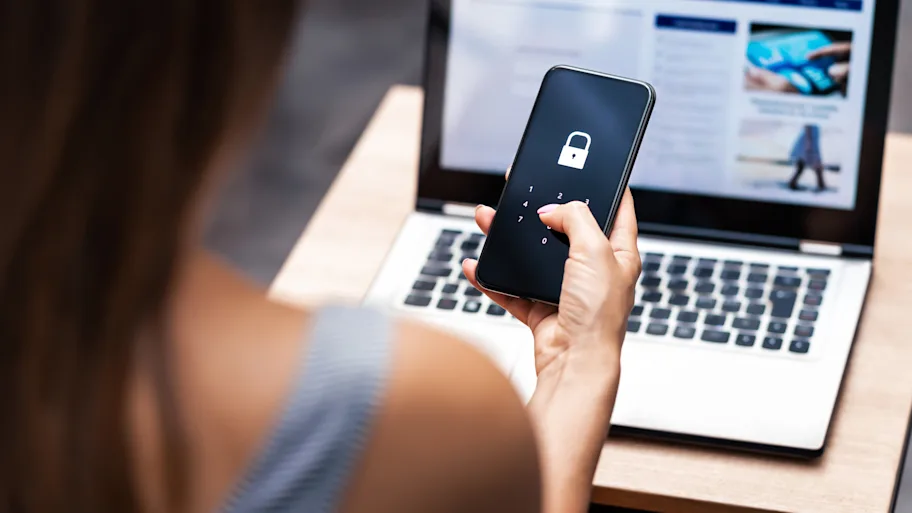
Frequent Phone Distractions: Protect Focus During Important Tasks
A phone can interrupt concentration without making a sound. Seeing the screen light up, remembering an unread message, or wondering what happened online can pull attention away from work within seconds. Frequent phone distractions become especially costly during tasks that require reading, writing, planning, studying, or careful decision-making.
The goal isn’t to abandon your phone. It’s to decide when the device deserves your attention instead of letting every notification make that decision for you.
Why Small Phone Interruptions Add Up
A quick glance often feels harmless because it may last only a few seconds. The larger problem is the mental transition. After checking a message or notification, your mind has to reconnect with the task you were doing.
That effect becomes more noticeable during demanding activities. Writing a report, reviewing paperwork, or learning unfamiliar material requires you to keep several ideas active at once. Repeated interruptions break that chain.
People who frequently browse regional online coverage can reduce interruptions by choosing specific reading periods instead of checking updates whenever curiosity appears.
Notice Your Personal Triggers
Different situations trigger different people. Some reach for a phone when work becomes difficult. Others check it during pauses, boredom, uncertainty, or mild stress.
For one day, pay attention to what happens immediately before you unlock your device. Identifying the trigger makes changing the habit easier than relying on willpower alone.
Build Phone-Free Windows Around Important Work
Protecting focus works better when the rule is clear. Instead of telling yourself to “use the phone less,” define a period when checking it isn’t part of the plan.
A 30- or 45-minute work block can be enough. Put the device somewhere that requires deliberate movement to reach it. Simply placing it face down beside the keyboard may not solve the problem if you already have a strong checking habit.
Readers who enjoy community news pages can save interesting reading for a scheduled break. That turns browsing into an intentional activity rather than a recurring interruption.
| Focus Problem | Common Pattern | Better Response |
|---|---|---|
| Notifications | Checking immediately | Silence nonessential alerts |
| Boredom | Opening apps automatically | Take a short planned break |
| Difficult task | Escaping to the phone | Work five more minutes first |
| Curiosity | Repeated news checking | Set a reading window |
Make the Phone Less Tempting
Convenience drives behavior. If distracting apps are one tap away, opening them becomes almost automatic.
Move entertainment and social apps away from the home screen. Disable badges that display unread counts. Remove unnecessary notifications and consider signing out of platforms you habitually open without thinking.
The same principle applies to online reading. Rather than repeatedly checking digital local-interest pages, bookmark material and review it when your current task is finished.
Small barriers matter because they create a moment in which you can reconsider what you intended to do.
Replace Checking With a Better Break
People often reach for phones because they genuinely need a pause. Removing the device without replacing the break can make the new habit difficult to maintain.
Try standing up, stretching, getting water, looking away from the screen, or walking for two minutes. These breaks can refresh attention without introducing another stream of information.
A useful break should feel different from the task you’re doing. Switching from a work screen to a phone screen may change the content, but your attention is still being pulled through rapid digital stimulation.
Where Focus Plans Commonly Fail
Overly strict rules tend to collapse. Someone may decide not to touch the phone for an entire workday, fail within an hour, and then abandon the plan completely.
Another mistake is keeping every notification active while expecting stronger self-control. Environment usually matters more than motivation.
Start with the tasks where concentration has the highest value. Protect those periods first. You can remain flexible during routine work where brief interruptions carry less cost.
Frequently Asked Questions
Should I turn my phone off while working?
Not necessarily. Silent mode, Do Not Disturb, or placing the phone outside immediate reach may provide enough separation while still allowing important calls through when needed.
How long should a phone-free focus session last?
Choose a period you can repeat consistently. Many people find shorter blocks easier at first, then gradually extend them as checking becomes less automatic.
What if I need my phone for work?
Keep work-related functions available while limiting unrelated apps and alerts. The objective is controlling unnecessary interruptions, not removing a tool required for the task.
Protect the Moments That Need Your Attention
Focus improves when checking your phone becomes a choice rather than a reflex. Identify your biggest triggers, create protected work windows, reduce unnecessary alerts, and give yourself better ways to take breaks.
You don’t need perfect discipline. You need an environment that makes the important task easier to continue than the distraction.