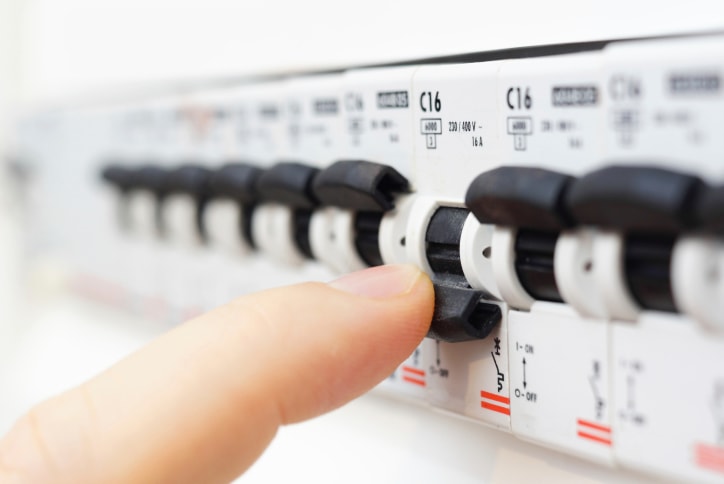
Blown Fuse Problems – Find Electrical Causes Before Replacing
A blown automotive fuse usually means more than a small piece of metal failed. The fuse opened because electrical current exceeded the circuit’s safe limit. Replacing it may restore power temporarily, but repeated blown fuse problems often point to damaged wiring, a short circuit, or a failing electrical component.
Finding the cause before installing fuse after fuse protects the wiring and reduces the chance of a larger electrical failure.
Why Automotive Fuses Blow
Fuses are designed to sacrifice themselves when too much current flows through a circuit. A sudden short to ground can create that overload almost instantly. Motors, accessories, or damaged connectors may also draw more current than the circuit was designed to handle.
A technician may start by reviewing the fuse diagram and identifying everything powered through the affected circuit. General automotive references such as engine and vehicle topics can provide broader reading, but the vehicle’s own service information remains important for circuit-specific troubleshooting.
Watch for a Repeating Pattern
A fuse that fails immediately after replacement often suggests a direct short or severe overload. One that lasts until a certain accessory operates can narrow the search significantly.
For example, a fuse that blows only when the power seat moves points toward a different area than one that fails whenever the ignition is switched on.
Check the Correct Fuse Rating First
Every circuit is designed around a specific fuse amperage. Installing a fuse with a lower rating may cause nuisance failures, while installing a higher-rated fuse can allow wiring to overheat before protection occurs.
Drivers researching general roadside troubleshooting ideas should still confirm the specified amperage from the fuse-box label or owner’s manual. Never increase the rating simply because the correct fuse keeps blowing.
| Fuse Pattern | Possible Cause | Useful Check |
|---|---|---|
| Blows immediately | Direct short | Inspect wiring |
| Blows with accessory | Component overload | Test that device |
| Fails occasionally | Intermittent wire fault | Check movement points |
| Fuse looks intact | Different circuit issue | Test for voltage |
Inspect Wiring and Connected Components
Look for damaged insulation, loose terminals, corroded connectors, or wires rubbing against metal. Areas near hinges, seat tracks, engine components, and previous aftermarket installations deserve particular attention because wiring there may flex or experience abrasion.
Resources discussing vehicle electrical concerns can help explain general concepts, but tracing the exact fault usually requires a wiring diagram and careful testing.
Disconnect Suspect Loads
One practical diagnostic method is disconnecting components on the affected circuit one at a time. If the fuse stops blowing after a certain device is disconnected, that component or its nearby wiring becomes a strong suspect.
This approach should be systematic. Randomly unplugging parts without knowing the circuit layout can create new warning lights and make diagnosis harder.
What People Often Get Wrong
The most common mistake is assuming the fuse itself caused the problem. Fuses rarely fail repeatedly without an electrical reason behind the failure.
Another dangerous shortcut is replacing a 10-amp fuse with a 15- or 20-amp fuse. That doesn’t repair the circuit. It reduces protection for the wiring and can allow excessive heat to build before the fuse opens.
Frequently Asked Questions
Can a fuse blow because it is old?
A fuse can occasionally fail from vibration, corrosion, or material fatigue, but repeated failure usually deserves investigation. If a replacement blows again, check the circuit rather than assuming another defective fuse.
Why does my car fuse blow only sometimes?
Intermittent faults can occur when damaged wiring moves and briefly touches metal, moisture reaches a connector, or a component draws excessive current only under certain operating conditions.
Can aftermarket accessories cause blown fuses?
Yes. Poorly installed stereos, lights, chargers, alarms, or other accessories can overload circuits or create short circuits, especially when wiring connections are loose or improperly protected.
Fix the Circuit Before Replacing More Fuses
Treat a blown fuse as a warning from the electrical system rather than an isolated failure. Confirm the correct fuse rating, identify the affected circuit, inspect its wiring, and test connected components. If the replacement repeatedly fails or wiring shows heat damage, professional electrical diagnosis is the safer next step.