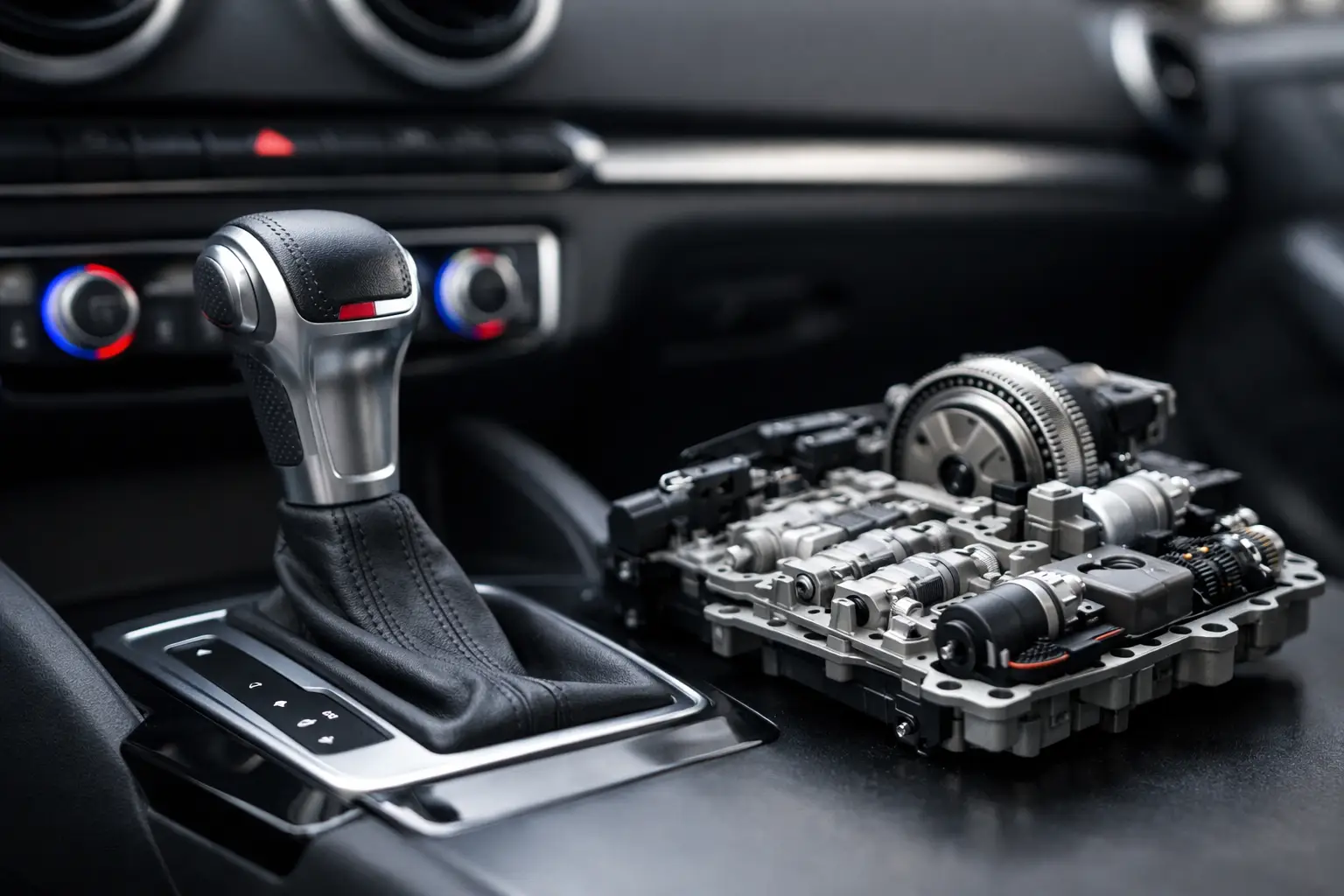
Jerky Automatic Shifts – Diagnose Sensors and Fluid Condition
An automatic transmission should change gears without harsh jolts, long pauses, or repeated surging. Jerky automatic shifts can develop when transmission fluid deteriorates, fluid level changes, electronic sensors send incorrect data, or internal hydraulic parts stop responding as expected. Finding the cause early can prevent a manageable drivability issue from becoming a larger repair.
Start With Transmission Fluid Condition
Automatic transmission fluid does more than lubricate moving components. It also helps transmit hydraulic pressure, control heat, and support the operation of clutches and valve-body passages.
Fluid that is low, contaminated, overheated, or unsuitable for the transmission can interfere with smooth pressure control. Drivers comparing maintenance approaches may encounter fleet maintenance resources while researching how fluid condition fits into broader vehicle service schedules.
Check More Than the Fluid Level
A correct level doesn’t automatically mean the fluid is healthy. Its condition, odor, contamination, and service history can provide useful clues.
Always follow the vehicle manufacturer’s checking procedure because some transmissions require a specific fluid temperature or don’t have a conventional dipstick. Using the wrong checking method can produce a misleading reading.
Sensors Can Change Shift Timing
Modern automatic transmissions rely heavily on electronic information. Vehicle-speed sensors, throttle or accelerator-position data, temperature readings, and control-module commands can all influence when and how firmly the transmission shifts.
Diagnostic trouble codes can therefore be valuable even when the dashboard warning light isn’t constantly illuminated. Information found through vehicle diagnostic references may help owners understand maintenance terminology, but actual diagnosis should be based on vehicle-specific testing.
| Possible Clue | What It May Affect | Useful Check |
|---|---|---|
| Low fluid | Hydraulic pressure | Inspect level and leaks |
| Faulty sensor data | Shift timing | Scan for trouble codes |
| Old fluid | Pressure response | Check condition and history |
| Internal wear | Clutch engagement | Professional diagnosis |
Pay Attention to When the Jerking Happens
The timing of the symptom can narrow the search. A harsh shift only when cold suggests a different pattern from one that appears after a long highway drive.
Jerking during one specific gear change may point technicians toward a particular control circuit, solenoid, clutch pack, or valve-body function. Broader automotive service information can be useful for learning common maintenance concepts before discussing symptoms with a repair shop.
Write down whether the problem happens during acceleration, deceleration, cold starts, or after the vehicle has fully warmed up. Specific observations are far more useful than describing the transmission as simply “bad.”
What Drivers Often Get Wrong
A common mistake is assuming every rough shift means the entire transmission has failed. Electronic faults, fluid problems, adaptation issues, engine performance problems, and worn mounts can sometimes create sensations that resemble serious transmission trouble.
The opposite assumption is risky too. Repeated harsh engagement shouldn’t be ignored simply because the vehicle still moves. Continued abnormal shifting can place extra stress on internal components, so diagnosis should come before months of continued driving.
Frequently Asked Questions
Can old transmission fluid cause jerky shifting?
It can contribute to poor shift quality if fluid condition affects lubrication or hydraulic operation. However, rough shifting can have several causes, so changing fluid without diagnosing the overall problem may not solve it.
Can a bad sensor make an automatic transmission shift hard?
Yes. Incorrect speed, temperature, or engine-load information can affect transmission control decisions. A scan tool and vehicle-specific diagnostic procedure can help determine whether sensor data is actually abnormal.
Should I keep driving if the transmission jerks?
Occasional mild roughness still deserves attention if it becomes consistent. Severe banging, slipping, delayed engagement, warning lights, or rapidly worsening symptoms are stronger reasons to limit driving and arrange an inspection.
Diagnose the Pattern Before Replacing Parts
Jerky shifting is a symptom, not a diagnosis. Start with fluid level and condition, note exactly when the problem occurs, and scan the vehicle for relevant faults before replacing expensive components. A careful diagnosis can separate a sensor or maintenance issue from internal transmission wear and help prevent unnecessary repairs.