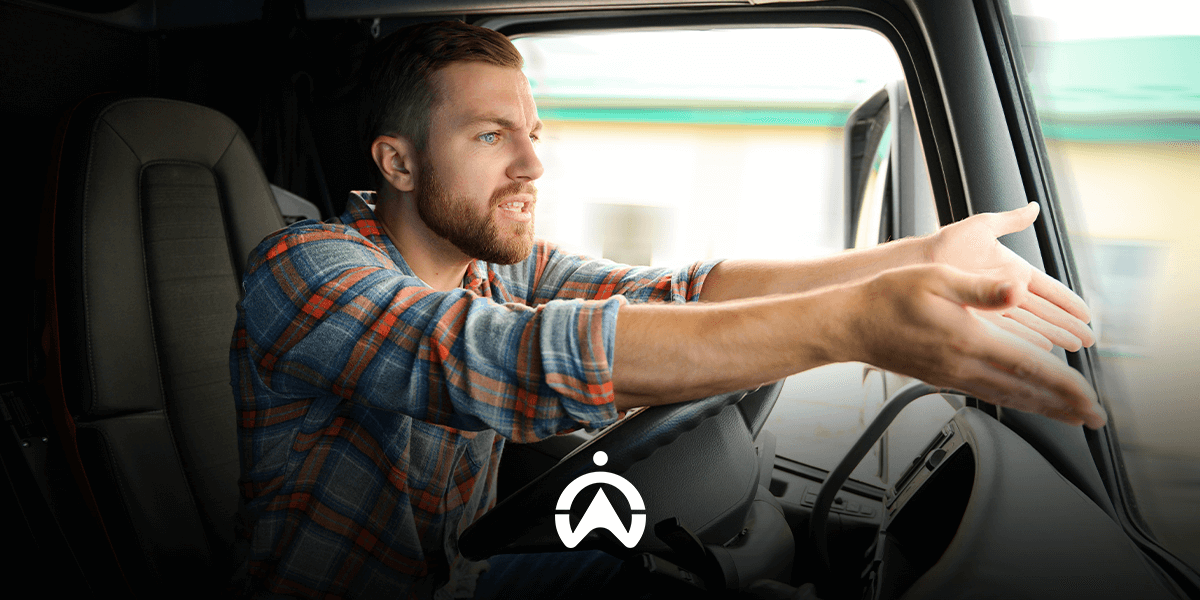
Aggressive Driving Habits – Improve Economy With Smoother Inputs
Hard acceleration, late braking, and constant speed changes make an engine work harder than necessary. Aggressive driving habits can raise fuel consumption because the vehicle repeatedly uses extra energy to gain speed, only to lose that energy during braking.
Smoother inputs reduce these wasteful cycles. The goal isn’t painfully slow driving. It is controlled acceleration, steady cruising, and better anticipation of traffic.
Why Rapid Acceleration Uses More Fuel
Pressing the accelerator deeply asks the engine for a large burst of power. More fuel is delivered to create that power, especially when a driver repeatedly accelerates hard after traffic lights, turns, or slow-moving vehicles.
A smoother approach builds speed progressively. Drivers interested in the mechanical side of vehicle efficiency may encounter drivetrain technology resources while learning how power moves from the engine to the road.
Momentum Matters More Than Many Drivers Realize
A car already moving at a steady pace usually needs less energy than a car repeatedly slowing and accelerating. Looking farther ahead helps preserve momentum without speeding.
For example, easing off the accelerator early when a red light is visible may prevent unnecessary acceleration followed by hard braking several seconds later.
How Braking Habits Affect Economy
Brakes convert the vehicle’s motion into heat. That means energy created by burning fuel is effectively discarded whenever unnecessary braking occurs.
Drivers can reduce that waste by maintaining more following distance and responding earlier to changing traffic. General garage maintenance discussions may also help owners connect driving behavior with tire, brake, and suspension wear.
| Driving Habit | Energy Effect | Better Approach |
|---|---|---|
| Hard acceleration | Higher fuel demand | Build speed smoothly |
| Late braking | Wastes momentum | Lift off earlier |
| Tailgating | Causes speed changes | Increase following distance |
| Speed surges | Raises engine workload | Hold a steadier pace |
Keep Highway Speed More Consistent
Highway economy suffers when speed constantly rises and falls. Even small repeated changes require additional throttle input, while higher speeds also increase aerodynamic resistance.
Cruise control can help on open, relatively flat roads where conditions permit. Drivers researching broader vehicle performance topics may notice that efficiency often depends on several small factors working together rather than one dramatic modification.
On busy highways, manual throttle control may be better because cruise control can sometimes accelerate aggressively to restore a preset speed after slowing.
Where Economy-Focused Driving Can Go Wrong
Trying to save fuel shouldn’t mean creating a traffic hazard. Accelerating so slowly that surrounding vehicles must brake or change lanes can be counterproductive and unsafe.
Another mistake is coasting in neutral. Modern vehicles are designed to remain in gear during normal deceleration, and drivers retain better control when the drivetrain stays engaged. Smooth driving means predictable driving, not extreme techniques.
Frequently Asked Questions
Does hard acceleration always waste fuel?
Hard acceleration generally requires more fuel than moderate acceleration, particularly when it is followed by braking or another slowdown. Occasional stronger acceleration may be necessary for safe merging, so efficiency should never override traffic safety.
Can cruise control improve fuel economy?
It can help maintain a steady speed on relatively flat, open roads. On steep or heavily congested routes, cruise control may make larger throttle adjustments, so careful manual driving can sometimes be more efficient.
How far ahead should drivers watch for smoother driving?
Rather than focusing only on the vehicle directly ahead, scan farther down the road for traffic lights, congestion, curves, and changing traffic flow. Earlier awareness creates more time to adjust speed gradually.
Make Every Input More Purposeful
Better economy often starts with the driver’s right foot. Accelerate progressively, leave enough space to avoid unnecessary braking, and maintain a stable speed whenever traffic conditions allow.
Smoother driving also tends to reduce stress on brakes, tires, and drivetrain components. Make each acceleration and braking event intentional rather than reactive.