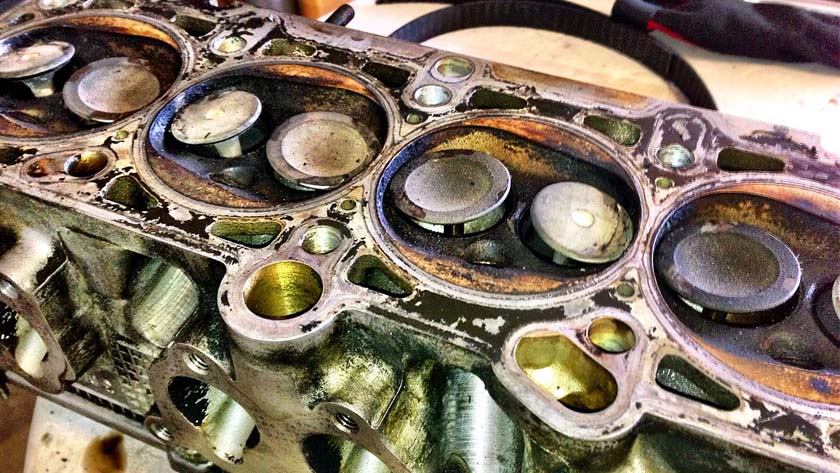
Knocking Engine Sounds – Check Problems Before Internal Damage
A knocking sound from an engine deserves attention because it can range from a minor combustion issue to a mechanical problem capable of damaging expensive internal parts. The sound’s timing, volume, and relationship to engine speed provide useful clues. Ignoring a persistent engine knock can allow a manageable repair to become a major engine failure.
Identify What the Knocking Sound Is Doing
Start by noticing when the noise appears. A knock that happens only during hard acceleration may have a different cause from a heavy tapping noise that continues while the engine idles.
Engine speed also matters. If the knocking becomes faster as RPM rises, the sound may be connected to rotating or reciprocating components inside the engine. Drivers comparing unfamiliar noises sometimes browse general automotive resources before deciding what needs closer inspection, but hands-on diagnosis remains important.
Listen During Different Operating Conditions
Check whether the sound changes between a cold start and a fully warmed engine. Oil pressure, metal expansion, combustion conditions, and accessory loads can all change after the engine reaches operating temperature.
A technician may also briefly change engine load or isolate accessories to determine whether the noise actually comes from inside the engine.
Combustion Knock Is Different From Mechanical Knocking
Combustion-related knocking often sounds like metallic pinging or rattling during acceleration. Possible factors include unsuitable fuel octane, excessive combustion temperatures, carbon buildup, ignition-control problems, or abnormal air-fuel conditions.
Electronic engine controls normally manage ignition timing carefully. Diagnostic information available through engine-focused reference material can help owners understand why timing, fuel delivery, and sensor information all influence combustion, although scan data and physical testing are needed to identify a specific fault.
| Noise Pattern | When It Appears | Possible Area to Check |
|---|---|---|
| Light metallic ping | Acceleration | Combustion control |
| Deep rhythmic knock | Rising RPM | Internal bearings |
| Tapping near top | Cold or idle | Valve train |
| Intermittent clatter | Changing load | Accessories or timing parts |
Low Oil Pressure Can Create Serious Noise
Engine oil separates moving metal surfaces and helps control heat. If the oil level becomes dangerously low or pressure falls because of a lubrication-system problem, bearings and valve-train components may begin producing abnormal sounds.
Check the oil level according to the vehicle manufacturer’s procedure before continuing to drive a vehicle with unexplained knocking. General vehicle care discussions may emphasize routine maintenance, but a warning light, low pressure reading, or deep internal knock calls for direct mechanical investigation.
Never assume adding oil will repair damage that has already occurred.
Mechanical Problems Need Proper Testing
Rod-bearing wear can create a deep knock that often becomes more obvious under load or with changes in RPM. Piston, wrist-pin, crankshaft, valve-train, timing-system, or accessory faults can create noises that sound similar without careful listening.
A mechanic may use an automotive stethoscope, oil-pressure test, scan tool, cylinder-balance procedure, or oil inspection to narrow the source. The exact process depends on the engine design and the way the noise behaves.
Don’t Assume Every Knock Means a Failed Engine
A common mistake is immediately assuming the engine needs replacement. Loose brackets, worn belt tensioners, damaged pulleys, exhaust leaks, and other external components can imitate internal engine noises.
The opposite assumption is more dangerous: believing every knock is harmless because the car still drives. Internal wear can progress while the engine continues running. Diagnosis should be based on where the sound originates and how the engine behaves, not on guesswork.
Frequently Asked Questions
Can low engine oil cause a knocking noise?
Yes. Low oil level or insufficient oil pressure can reduce lubrication between moving parts and contribute to tapping or knocking. Stop and check the oil according to the manufacturer’s instructions if the warning light appears or the engine develops a new mechanical noise.
Does engine knocking get worse when accelerating?
Some forms do. Combustion knock may become noticeable under heavy load, while worn internal components can also become louder as engine load or RPM changes. The pattern helps with diagnosis but does not identify the cause by itself.
Can you drive with an engine knocking?
Continuing to drive can be risky when the knock is persistent, deep, suddenly worsening, or accompanied by an oil-pressure warning, overheating, misfiring, or loss of power. Arranging an inspection before additional driving can help limit possible damage.
Act Before a Small Noise Becomes Major Damage
A new engine knock should be treated as diagnostic information, not background noise. Check basic conditions such as oil level and note exactly when the sound occurs, then have persistent or heavy knocking investigated. Finding a loose external component is inexpensive compared with discovering that prolonged driving damaged bearings, pistons, or the crankshaft.