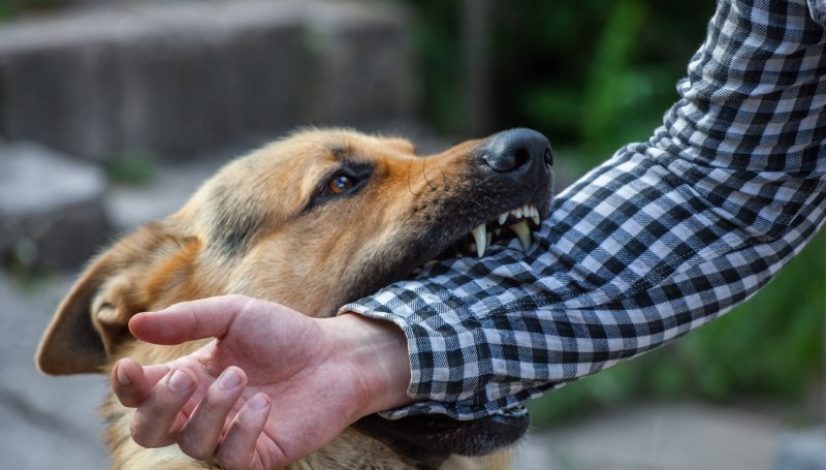
Dog Bite Claims – Document Injuries and Ownership Details
A dog bite claim can depend heavily on facts that are easy to lose after the first stressful hours. Photographs, medical records, witness information, the location of the attack, and details identifying the dog and its owner can all become important later.
Because liability rules differ by state and sometimes by local ordinance, careful documentation is useful even when responsibility initially seems obvious.
Record the Injury and Scene Early
Photograph visible wounds as soon as practical and continue documenting meaningful changes during healing. Keep original image files when possible because dates and other file information may help establish when photographs were taken.
Write down where the bite occurred, what happened immediately beforehand, whether the dog was restrained, and who witnessed the incident. People researching accident documentation may also encounter incident documentation resources while organizing general background material.
Medical paperwork deserves the same attention. Save emergency-room records, prescriptions, bills, follow-up instructions, and receipts connected with treatment or travel for care.
Identify the Dog and Its Owner
Try to record the owner’s name and contact information along with the dog’s description. Depending on local requirements, animal-control or police reports may also create an independent record of the event.
Online legal material, including broader injury-law reading, can provide general context, but it shouldn’t replace state-specific rules or advice from a qualified professional familiar with the facts.
| Record | What to Capture | Why Preserve It |
|---|---|---|
| Injury photos | Wounds and healing | Shows physical changes |
| Owner details | Name and contact data | Helps identify responsible parties |
| Medical records | Visits, bills, instructions | Connects treatment to the injury |
| Witness details | Names and contacts | Preserves independent accounts |
Keep Insurance Communications Organized
An insurer may request statements, records, photographs, authorizations, or other information. Keep copies of what you send and note the date of every significant conversation.
Avoid guessing about facts you don’t remember. A simple timeline can prevent contradictions when several weeks pass between the bite and later discussions. People also use general legal question resources to understand terminology before speaking with a local professional.
Do not assume that an early settlement figure necessarily reflects every future consequence of an injury. The effect of signing a release depends on its language and applicable law.
Mistakes That Can Weaken the Record
One common mistake is relying entirely on memory. Small facts such as where the dog came from, whether a gate was open, or who arrived afterward can become difficult to reconstruct.
Another mistake is discarding records once the wound begins to heal. Medical bills, photographs, damaged clothing, messages with the owner, and report numbers may remain relevant long after the physical injury looks better.
When Medical or Legal Help Shouldn’t Wait
Deep wounds, uncontrolled bleeding, signs of infection, or uncertainty about rabies vaccination can justify prompt medical attention. The CDC’s official dog-bite guidance also explains wound care and reporting considerations.
Legal help may also be worth seeking promptly when injuries are serious, ownership is disputed, an insurer requests a release, or a filing deadline may be approaching. Claim deadlines and liability standards vary by jurisdiction.
Frequently Asked Questions
What evidence is useful after a dog bite?
Photographs, medical records, witness contact information, owner details, animal-control reports, damaged clothing, receipts, and written communications can help preserve what happened and how the injury developed.
Should a dog bite be reported?
Reporting requirements differ by location. Local animal-control agencies, health departments, or police departments may have procedures for documenting bites, especially when ownership or vaccination status is uncertain.
How long can a dog bite claim take?
There is no universal timeline. Medical recovery, disputed liability, insurance negotiations, local court procedures, and state filing deadlines can all affect how long a matter remains open.
Preserve the Facts Before They Fade
The strongest starting point is a clear record created while events are still fresh. Keep medical documents, photographs, ownership information, witness details, and insurance correspondence together rather than trying to reconstruct them months later.
State law controls important questions about liability and deadlines, so obtain jurisdiction-specific guidance when the consequences are significant.
This article provides general legal information and is not a substitute for advice from a qualified attorney.