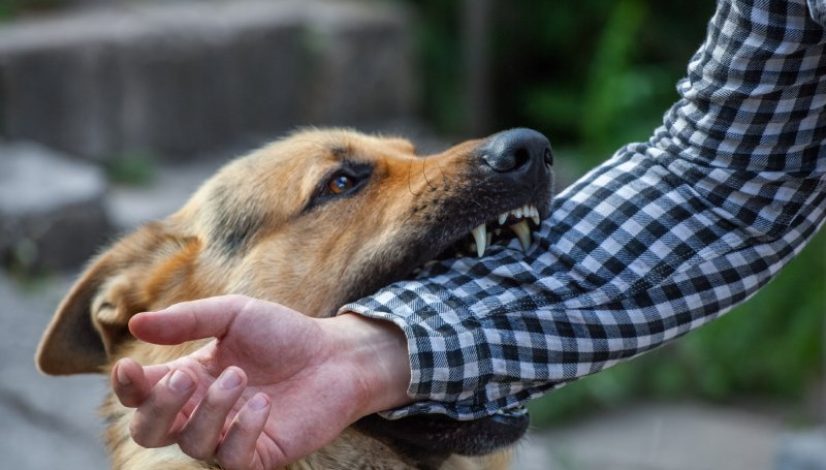
Dog Bite Claims: Document Injuries and Ownership Details
A dog bite can create medical bills, missed work, scarring, and questions about who is legally responsible. A strong record starts with the injury itself, the circumstances of the incident, and reliable information identifying the dog and its owner.
Dog bite claims are governed largely by state law. Some states use statutory liability rules, while others consider what the owner knew about the animal or whether either party acted carelessly.
Record the Injury and Immediate Treatment
Photographs taken soon after the incident can preserve details that may change quickly, including punctures, swelling, bruising, torn clothing, and the location where the bite happened. Continue documenting visible changes during recovery rather than relying on one photograph.
Medical records also create an independent timeline. Keep discharge papers, prescriptions, bills, follow-up instructions, and records showing time missed from work. People researching an incident online may encounter general web reading alongside official material, so separate background reading from records that actually document the claim.
Confirm the Dog and Owner Information
Identification matters because liability and available insurance may depend on who owned, kept, or controlled the animal. Record the owner’s name, contact information, address where the dog is kept, and any available animal-control or police report number.
Witness names should be written down while memories are fresh. A simple timeline stored with online reference material and other research can help keep background information separate from photographs, medical records, and communications that may become evidence.
The Legal Information Institute notes that states have taken different approaches to dog-bite liability, including statutory rules and modified common-law standards.
| Record | What to Preserve | Why It May Matter |
|---|---|---|
| Injury evidence | Photos and medical records | Documents severity and progression |
| Animal details | Owner and dog identification | Helps determine responsible parties |
| Incident facts | Witnesses and location | Supports the factual timeline |
| Expenses | Bills and wage records | Shows financial losses |
Keep Communications Organized
Insurance representatives may request statements, medical authorizations, photographs, or other information. Keep copies of correspondence and make notes of telephone calls, including the date, time, person involved, and main subject discussed.
Avoid guessing when answering questions about facts you don’t clearly remember. General broader digital resources may help with background reading, but the actual claim will depend on evidence and the law that applies where the incident occurred.
What People Often Get Wrong About Dog Bite Claims
A common assumption is that every dog bite follows the same liability rule. It doesn’t. State statutes, local ordinances, the victim’s conduct, the location of the incident, and the owner’s prior knowledge can all affect the analysis.
Another mistake is focusing only on the first medical bill. Scarring, additional treatment, infection concerns, lost income, and other documented consequences may develop later, which is one reason preserving records throughout recovery can matter.
When Should Legal Help Be Considered?
Consider getting qualified legal guidance promptly when injuries are serious, liability is disputed, the owner cannot be identified, an insurer requests a broad release, or a filing deadline may be approaching. State limitation periods and dog-bite rules vary, so general online explanations cannot establish the deadline or legal standard for a particular case.
Urgent medical issues should be handled through appropriate medical care rather than delayed for claim-related reasons.
Frequently Asked Questions
Does a dog need a previous bite history for the owner to be liable?
Not necessarily. Some states impose statutory forms of liability, while other jurisdictions consider prior knowledge or negligence. The applicable rule depends on state law and the circumstances surrounding the incident.
Should photographs be taken after the bite starts healing?
Yes, photographs taken at different stages can preserve how an injury changed over time. Keep the original files where possible and avoid editing the images in ways that could obscure when or how they were created.
Can homeowner or renter insurance be relevant?
Potentially. Coverage depends on the policy, exclusions, the insured parties, and the facts of the incident. The existence of insurance does not by itself establish liability or guarantee payment.
Preserve the Record Before Making Decisions
A dog bite claim is easier to evaluate when the evidence tells a clear story. Preserve photographs, medical documents, ownership information, witness details, expenses, and communications rather than trying to reconstruct them months later.
If responsibility, insurance coverage, or deadlines are uncertain, obtaining state-specific legal advice before signing releases or making irreversible decisions can protect your ability to understand the available options.
This article provides general legal information and is not a substitute for advice from a qualified attorney regarding a specific situation.