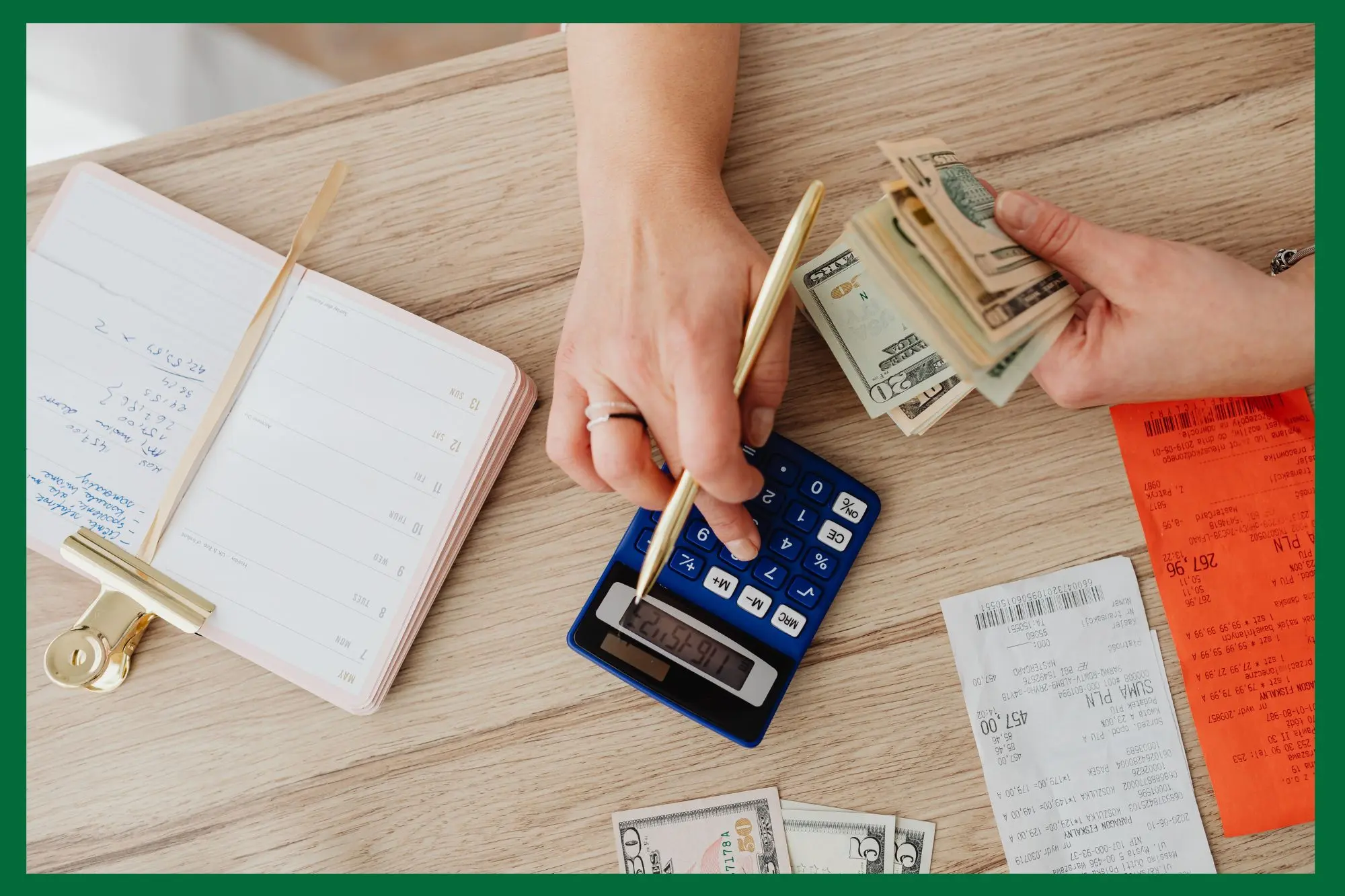
Growing Credit Debt – Build Smarter Monthly Repayment Habits
Growing credit debt becomes harder to control when repayment happens without a clear monthly system. The goal isn’t to throw every spare dollar at a balance one month and struggle the next. A steadier approach starts with knowing what you owe, protecting required payments, choosing one repayment priority, and setting an amount you can repeat.
Start With a Complete Debt Snapshot
Write down every credit balance, minimum payment, interest rate, and due date. Seeing the numbers together makes it easier to distinguish an uncomfortable balance from the debt that is costing you the most.
People researching money problems often encounter general publishing resources alongside financial information, but repayment decisions should come from your actual statements and reliable financial guidance. Avoid estimating balances from memory because even small forgotten accounts can disrupt your monthly plan.
Separate Minimums From Extra Payments
Your first repayment target is covering required minimum payments on time. After that, decide how much additional money your normal budget can consistently send toward one priority debt.
A repeatable extra payment of $150 can be more useful than an ambitious $500 target that forces you to borrow again before payday.
Choose a Repayment Method You Can Maintain
Two common approaches are paying extra toward the highest-interest balance or attacking the smallest balance first. The first method focuses on reducing costly interest, while the second creates faster account-level wins that some people find easier to maintain.
Comparing online directory references may expose you to many opinions about debt, but switching strategies every few weeks usually creates more confusion than progress. Pick a reasonable method and give it time.
| Approach | Main Focus | Potential Tradeoff |
|---|---|---|
| Highest interest first | Costliest debt | Progress may feel slower |
| Smallest balance first | Quick payoff wins | May cost more interest |
| Fixed extra payment | Monthly consistency | Requires budget discipline |
| Windfall payments | Faster reduction | Income may be irregular |
Make Repayment Fit Your Pay Cycle
Due dates that cluster together can make an otherwise workable budget feel impossible. Map payments against your paydays and consider asking creditors whether different due dates are available.
Keep a small buffer for predictable expenses such as transportation, utilities, and groceries. General digital media notes can be useful background reading, but your repayment amount should be based on money that remains after realistic essentials rather than an idealized budget.
Automation can also help with minimum payments when adequate funds are reliably available. Still, check statements regularly instead of assuming automatic payments remove the need to monitor the account.
Where Debt Repayment Plans Often Break Down
One mistake is treating every unexpected dollar as debt-payment money. Emptying your cash reserves can leave you reaching for the same credit card when a car repair, medical bill, or household expense appears.
Another problem is continuing the spending pattern that created the growing balance. A consolidation loan or balance transfer may reorganize debt, but it doesn’t automatically fix a monthly gap between income and spending. Fees and changing promotional rates also deserve close attention.
When Debt Needs Outside Help
If minimum payments are becoming unaffordable, missed payments are accumulating, or you’re borrowing from one account to pay another, deal with the problem early. The Consumer Financial Protection Bureau advises consumers who cannot make credit card payments to contact their card issuer promptly and explains that nonprofit credit counseling may also be an option.
Be cautious with companies promising to make debt disappear or instructing you to stop communicating with creditors. Understand fees, consequences, and alternatives before agreeing to any debt-relief program.
Frequently Asked Questions
Should I pay the smallest debt or highest-interest debt first?
Either method can work. Paying the highest-interest balance generally targets borrowing costs, while paying the smallest balance first can produce faster visible progress. The better choice is the method you can follow consistently.
Should I stop saving while paying credit card debt?
Not necessarily. Keeping some accessible cash can prevent an ordinary unexpected expense from immediately becoming new credit card debt. The appropriate balance between saving and repayment depends on your circumstances.
Can making extra payments reduce debt faster?
Extra payments generally reduce the outstanding balance sooner when they’re applied correctly. Check how your creditor handles additional payments and continue meeting every required minimum payment and due date.
Turn Repayment Into a Monthly Habit
Credit debt becomes easier to manage when repayment stops being an occasional reaction and becomes part of the monthly budget. Choose a realistic extra-payment amount, direct it toward a clear priority, and review your balances regularly. If the numbers no longer work, contact creditors or qualified financial support early rather than covering old debt with new borrowing.
This article is for general informational purposes and is not a substitute for professional financial advice.