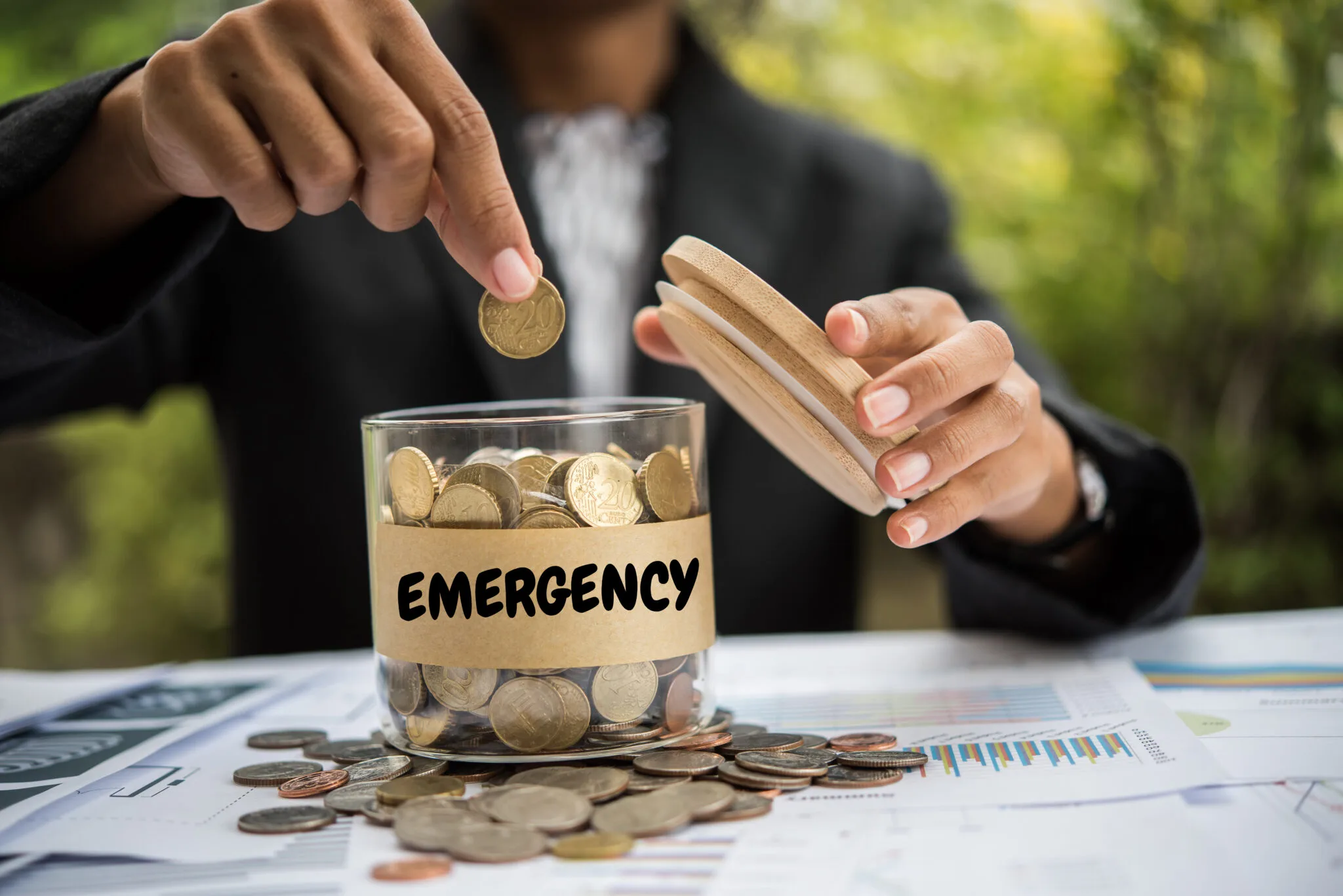
Low Emergency Savings – Build Protection With Small Contributions
Low emergency savings can make an ordinary surprise—an appliance repair, car problem, or temporary income interruption—much harder to handle. Building protection does not require a dramatic first deposit. Small, repeatable contributions can gradually create a cash buffer that reduces the need to borrow when something unexpected happens.
Start With a Smaller Savings Target
A large emergency-fund goal can feel impossible when your budget already has little room. Instead of focusing immediately on several months of expenses, choose a first milestone that feels reachable.
That might mean building enough to handle a typical small repair or unexpected bill. People exploring general informational resources may encounter many different savings targets, but your starting amount should reflect your own income, expenses, and likely emergencies.
Make the First Milestone Specific
“Save more money” is difficult to act on. A defined target gives each contribution a purpose and makes progress easier to measure.
Once the first milestone is reached, raise the target rather than treating the fund as finished. A modest cash reserve can become the foundation for a larger financial cushion.
Turn Small Contributions Into a Routine
Consistency often matters more than waiting until you can afford a large transfer. Even a small amount assigned to savings whenever income arrives creates a habit.
Automating transfers can remove the repeated decision. Broader personal finance reading can provide different perspectives, but the practical principle remains simple: choose an amount your budget can sustain without forcing you to borrow for normal expenses.
| Approach | How It Works | Main Limitation |
|---|---|---|
| Automatic transfer | Money moves on payday | Can strain a tight account |
| Weekly saving | Small amount set aside regularly | Requires consistency |
| Windfall saving | Part of extra income is saved | Extra income is unpredictable |
| Expense reduction | Redirect one reduced cost | Savings may vary monthly |
Find Contributions Inside Existing Spending
Emergency savings do not always require earning more. Small spending adjustments can free money already moving through your budget.
Review subscriptions, convenience purchases, unused memberships, delivery fees, and other flexible costs. Comparing ideas across online lifestyle content may help you notice habits worth reconsidering, but avoid cutting necessities simply to make a savings number look better.
Redirect the money immediately. If you cancel a $15 expense but leave the money in checking, it can disappear into another purchase without creating meaningful progress.
What People Often Get Wrong About Emergency Funds
One mistake is believing an emergency fund only matters after it reaches a large traditional target. Smaller reserves still have a purpose because many unexpected costs are smaller than a major job loss or medical event.
Another mistake is repeatedly using emergency savings for predictable expenses. Annual insurance premiums, holiday spending, routine maintenance, and planned travel are better handled through separate savings categories. Your emergency fund should primarily protect you from expenses you did not reasonably expect.
Build Without Ignoring Other Financial Priorities
Emergency saving is only one part of a household financial plan. High-interest debt, required bills, insurance, retirement contributions, and other obligations may compete for the same dollars.
The Consumer Financial Protection Bureau’s emergency fund guide explains that the appropriate amount depends on your circumstances. That is a useful reminder that there is no universal number that works equally well for every household.
Avoid making contributions so aggressive that you cannot cover rent, utilities, food, minimum debt payments, or other essential obligations.
Frequently Asked Questions
Is a small emergency fund worth having?
Yes. A modest reserve may still cover smaller unexpected expenses and reduce how much you need to place on a credit card or borrow elsewhere. It can also establish the saving habit needed to build a larger cushion later.
Should emergency savings be kept separate from checking?
A separate account can make the money easier to identify and harder to spend accidentally. It should still remain reasonably accessible because emergency money may be needed without much warning.
What should count as a financial emergency?
Unexpected, necessary costs such as urgent repairs, sudden income loss, or unplanned essential expenses are common examples. Predictable annual bills and optional purchases are generally better handled through separate planned savings.
Make the First Contribution Automatic
You do not have to solve low emergency savings with one large deposit. Choose a realistic first target, create a repeatable contribution, and increase it as your finances allow. The strongest system is one you can maintain through ordinary months rather than abandoning after an aggressive start.
This article provides general financial information and is not a substitute for personalized financial advice.