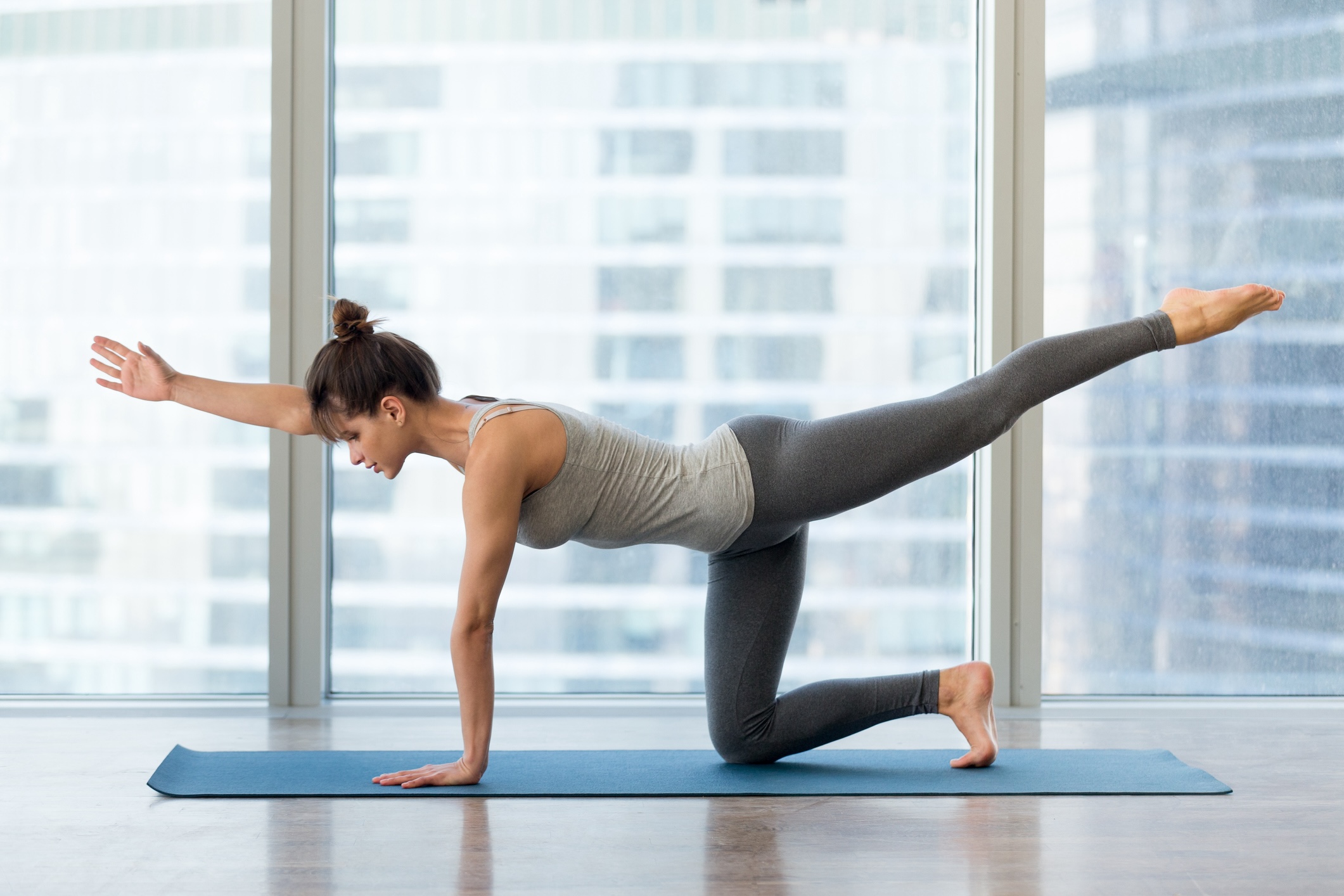
Pelvic Floor Weakness – Build Strength With Guided Exercises
Pelvic floor weakness can contribute to urine leakage, reduced bowel control, pelvic heaviness, and difficulty supporting the organs inside the pelvis. Strengthening exercises may help, but technique matters. The goal isn’t to squeeze as hard as possible. It’s to learn how to contract the correct muscles, relax them fully, and build control without creating excess tension.
What Does Pelvic Floor Weakness Feel Like?
The pelvic floor forms a supportive layer beneath the bladder, bowel, and reproductive organs. Pregnancy, childbirth, aging, surgery, chronic straining, and other factors can affect its strength.
Common signs may include leaking urine when coughing, laughing, exercising, or lifting. Some people notice difficulty holding gas or a feeling of reduced pelvic support. These symptoms aren’t specific enough to prove that weakness is the cause.
People sorting through emotional wellness reading alongside physical health information may encounter many explanations for pelvic symptoms. A clinical assessment remains useful when symptoms persist because weakness, tight muscles, bladder disorders, and other problems can feel surprisingly similar.
How Can Guided Exercises Improve Control?
Pelvic floor muscle training involves deliberately contracting and relaxing the muscles that help support bladder and bowel function. The NIDDK guidance on Kegel exercises explains that these exercises can strengthen pelvic floor muscles and may help reduce leakage.
A simple cue is to imagine trying to prevent passing gas. The muscles around the pelvic openings should gently lift inward. Your abdomen, thighs, and buttocks shouldn’t be doing most of the work.
| Exercise Focus | Useful Goal | Common Problem |
|---|---|---|
| Contraction | Gentle inward lift | Straining downward |
| Relaxation | Fully release afterward | Staying clenched |
| Breathing | Keep breathing normally | Holding the breath |
| Technique | Isolate pelvic muscles | Tightening thighs |
Reading broader everyday health material can help you become more aware of body habits, but pelvic floor training works best when the exercise matches the actual problem.
Why Relaxation Matters Too
A strong pelvic floor must also relax. Constant gripping isn’t better training. Muscles that remain overly tense may contribute to pelvic discomfort, difficulty emptying the bladder, constipation, or pain.
When Professional Guidance Can Make a Difference
A pelvic floor physical therapist can assess muscle strength, coordination, relaxation, breathing, and movement patterns. This can be especially useful when you’re unsure whether you’re contracting the correct muscles.
Biofeedback or other clinical techniques may sometimes help people recognize the muscles they are trying to control. NIDDK also notes that health professionals can help verify whether exercises are being performed correctly.
People also encounter daily health topics while researching exercise routines. General information can provide context, but persistent pelvic symptoms deserve individualized evaluation rather than increasingly intense self-directed exercises.
Where Pelvic Floor Training Can Go Wrong
One common mistake is assuming every pelvic symptom comes from weak muscles. Some people instead have excessive pelvic floor tension or poor coordination. Repeated forceful contractions may be unhelpful in those situations.
Another mistake is regularly stopping urine flow as an exercise. NIDDK explains that interrupting urination may initially help identify the muscles, but doing Kegels while urinating routinely can interfere with complete bladder emptying and may increase infection risk.
Signs That Need Medical Attention
Arrange an evaluation if leakage, pelvic pressure, pain, bowel-control changes, or bladder problems are persistent, worsening, or affecting daily life. A noticeable vaginal bulge or difficulty emptying the bladder also deserves assessment.
Seek urgent medical care for sudden loss of bladder or bowel control accompanied by severe back pain, leg weakness, or numbness around the groin or buttocks. Those symptoms can indicate a problem requiring prompt evaluation.
Frequently Asked Questions
How long does pelvic floor strengthening take to work?
Improvement is usually gradual rather than immediate. Progress depends on the cause of the symptoms, exercise technique, consistency, and whether weakness is actually present. A pelvic floor therapist can help when progress stalls.
Can pelvic floor muscles be too tight instead of weak?
Yes. Tightness and weakness can coexist, and both may affect normal coordination. Pelvic pain, difficulty relaxing, or trouble emptying the bladder can be reasons to seek professional assessment before increasing strengthening exercises.
Should I do Kegel exercises while urinating?
Not as a routine exercise. Briefly interrupting urine flow may help identify the muscles, but repeatedly practicing this way can interfere with bladder emptying. Pelvic floor contractions are generally practiced away from bathroom trips.
Build Control, Not Just Strength
Pelvic floor exercises can be useful when weakness contributes to symptoms, but quality matters more than aggressive squeezing. Focus on correct contraction, normal breathing, and complete relaxation. If symptoms remain unexplained, painful, or persistent, getting an assessment can identify whether strengthening, relaxation training, or another approach makes more sense.
This article is for general informational purposes and is not a substitute for professional medical advice, diagnosis, or treatment.