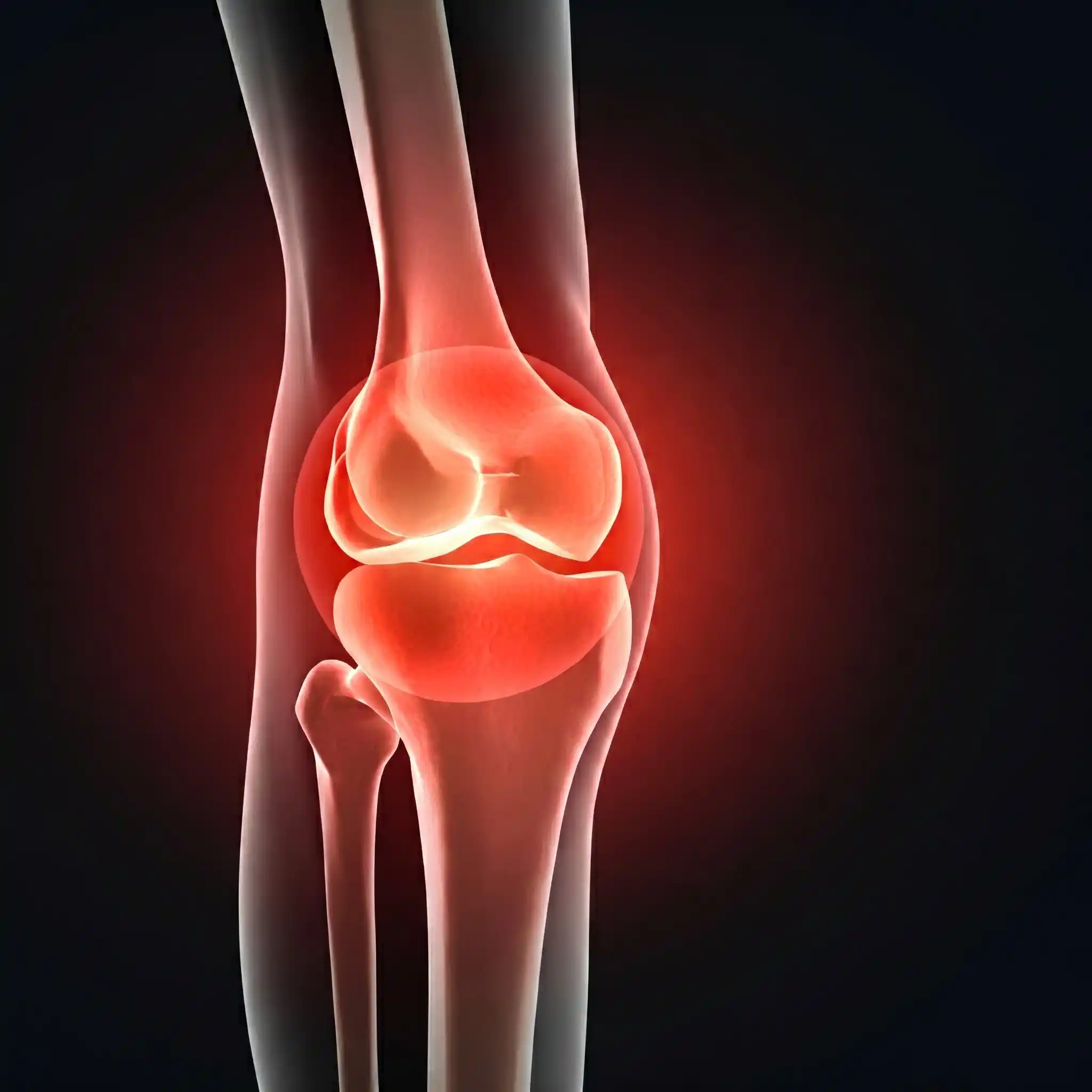
Persistent Joint Pain – Support Movement With Safer Habits
Persistent joint pain can make ordinary movement feel harder, but avoiding activity completely may lead to more stiffness and loss of function. Safer movement usually means adjusting intensity, protecting painful joints, and paying attention to symptoms rather than forcing through them.
The cause matters, too. Joint pain may come from arthritis, injury, inflammation, overuse, or other health problems, so ongoing symptoms deserve proper evaluation.
Why Gentle Movement Can Still Help
Joints often feel stiff after long periods of sitting or resting. Light activity can help maintain range of motion and keep surrounding muscles working without placing unnecessary stress on painful areas.
People comparing different approaches online may come across general wellness discussions alongside medical information. For persistent pain, clinical guidance should carry more weight than general web content.
Start Below Your Pain Limit
Walking, gentle stretching, water exercise, or controlled range-of-motion movements may be easier than high-impact activity. The goal isn’t to prove how much discomfort you can tolerate.
Increase activity gradually. If a movement repeatedly causes sharp pain, swelling, or symptoms that remain worse afterward, changing the activity may be more sensible than pushing harder.
Protect Painful Joints During Daily Tasks
Small changes can reduce unnecessary strain. Carrying lighter loads, using both hands for heavier objects, choosing supportive footwear, and breaking demanding tasks into shorter periods may help.
Broader healthy living resources may discuss everyday routines, but joint symptoms should still be judged according to their pattern, severity, and medical cause.
| Habit | Possible Benefit | Watch For |
|---|---|---|
| Short walks | Maintains movement | Increasing pain |
| Gentle stretching | Supports flexibility | Sharp discomfort |
| Task breaks | Reduces repeated strain | Growing stiffness |
| Supportive shoes | Improves stability | Poor fit |
Strength Matters as Much as Flexibility
Muscles help support joints. When activity drops for weeks or months, weakness can make routine tasks feel more demanding and may increase stress around already painful joints.
Information found through broader online health reading can introduce useful lifestyle ideas, but exercise choices should be adjusted to individual limitations. A physical therapist or other clinician may recommend safer ways to strengthen specific areas.
What People Often Get Wrong About Joint Pain
One common mistake is assuming that pain always means a joint should never be moved. Complete inactivity can sometimes contribute to stiffness and declining strength.
The opposite mistake also causes problems: trying to exercise through every symptom. Persistent joint pain is not one single condition. Swelling, instability, recent injury, fever, redness, or sudden severe pain can change what activity is appropriate.
When Joint Pain Needs Medical Attention
Seek medical evaluation when pain persists, repeatedly returns, limits normal activity, or is getting worse. Prompt assessment is more important after significant injury or when a joint becomes markedly swollen, red, hot, or difficult to move.
Fever with a hot, swollen joint or sudden inability to bear weight may require urgent medical attention. MedlinePlus guidance on joint pain provides general information about possible causes and when evaluation may be needed.
Frequently Asked Questions
Should you exercise a joint that hurts every day?
Some gentle activity may be appropriate, but the cause and severity of pain matter. Exercise that causes sharp pain, significant swelling, or prolonged worsening should not simply be pushed through.
Can sitting too long make joint stiffness worse?
Yes. Long periods without movement can contribute to stiffness, particularly in people with arthritis or reduced mobility. Short, comfortable movement breaks may be easier than one long exercise session.
Is persistent joint pain always arthritis?
No. Arthritis is one possible cause, but injuries, tendon problems, inflammation, infection, and other conditions can also cause joint pain. Persistent symptoms may need evaluation to identify the reason.
Build Movement Around What Your Joints Can Handle
Staying active does not require ignoring pain. Choose comfortable movement, reduce unnecessary strain, build strength gradually, and notice whether symptoms improve or worsen afterward. Persistent, unexplained, or progressively limiting joint pain deserves medical evaluation rather than repeated guesswork.
This article is for general informational purposes and is not a substitute for professional medical advice, diagnosis, or treatment.