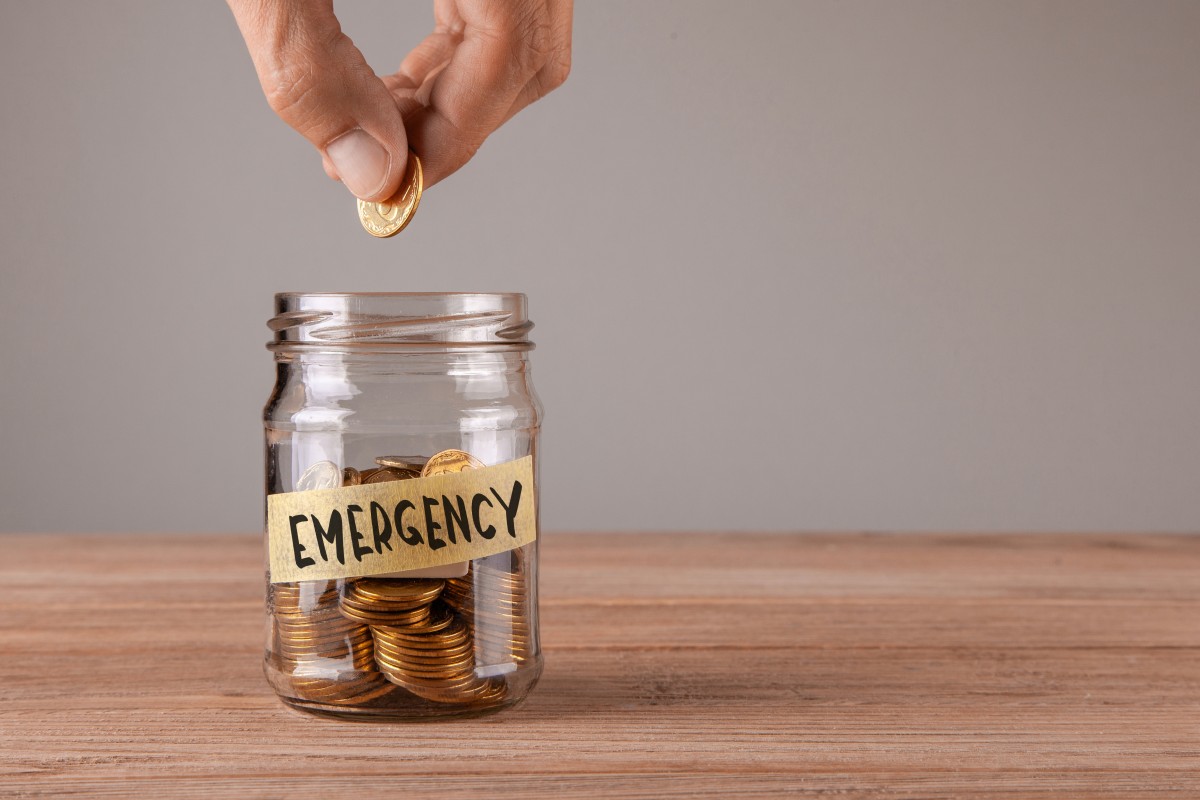
Unexpected Emergency Costs – Build Savings Before Problems Happen
Unexpected emergency costs hurt most when they arrive before your budget has room for them. A broken appliance, urgent car repair, veterinary bill, or sudden trip can turn an ordinary month into a financial scramble. Building a dedicated savings cushion gives you money to solve the problem without immediately reaching for high-interest debt.
Start With a Small Emergency Target
A large emergency fund can feel impossible when you’re starting from zero. Instead of focusing on several months of expenses immediately, create a first milestone that could cover one common surprise, such as a minor car repair or household service call.
Small targets create momentum. Saving $20, $40, or $75 from each paycheck may look modest, but consistency matters more than an impressive first deposit.
Separate the Money From Everyday Spending
Keeping emergency savings in your normal checking account makes it easy to spend accidentally. A separate savings account creates a useful mental boundary between money available for routine purchases and money reserved for genuine problems.
People often combine budgeting apps, bank alerts, and general financial reading when building better money habits. Whatever tools you choose, the important part is making the emergency balance easy to track but slightly inconvenient to spend casually.
Find Savings Without Stripping Away Everything Enjoyable
Emergency saving works better when the monthly contribution feels sustainable. Cutting every restaurant meal, subscription, and small pleasure may create a temporary burst of savings, but overly restrictive budgets are difficult to maintain.
Look instead for repeated expenses that provide little value. Forgotten subscriptions, unnecessary delivery fees, unused memberships, and routine impulse purchases can quietly consume money that could strengthen your cash reserve.
| Expense Area | Possible Adjustment | Savings Direction |
|---|---|---|
| Subscriptions | Cancel unused services | Emergency fund |
| Food delivery | Reduce weekly orders | Savings transfer |
| Impulse shopping | Add a waiting period | Keep unspent cash |
| Bank fees | Review account options | Prevent waste |
Online habits matter too. Whether you’re browsing everyday money topics or checking budgeting communities, avoid treating every aggressive savings rule as something you must follow. A realistic plan usually survives longer than an extreme one.
Automate the Habit Before You Can Forget
Saving whatever remains at the end of the month often produces disappointing results because daily spending expands into available cash. Reversing the process can help.
Schedule an automatic transfer shortly after each paycheck arrives. The amount doesn’t need to be large. Automatic saving removes one repeated decision and gradually turns emergency preparation into a normal monthly expense.
If your income changes from month to month, use a smaller automatic baseline and add extra transfers during stronger weeks. That approach creates consistency without risking an overdraft during slower periods.
Prepare for More Than One Type of Surprise
An emergency fund shouldn’t be designed around a single imagined disaster. Real life tends to produce smaller, less dramatic problems: a leaking water heater, damaged phone, last-minute flight, dental expense, or vehicle issue.
Looking through broader online information can expose you to many ways people organize household priorities, but your own recurring risks should guide the amount you save. A homeowner with an aging HVAC system may prepare differently from someone relying on an older vehicle for a long commute.
Where Emergency Saving Plans Often Fail
One common mistake is treating predictable expenses as emergencies. Annual insurance premiums, holiday spending, routine maintenance, and known school costs aren’t truly unexpected. Creating separate sinking funds for these expenses keeps them from repeatedly draining your emergency reserve.
Another problem is setting the savings target so high that progress feels meaningless. Building financial resilience is usually a sequence: establish a starter cushion, replenish it after use, and gradually increase the balance as your income and obligations change.
Frequently Asked Questions
How much should I save before calling it an emergency fund?
There isn’t one amount that fits everyone. Start with enough to absorb a realistic unexpected expense, then gradually work toward a larger cushion based on your household costs, job stability, insurance coverage, and financial responsibilities.
Should I pay debt or build emergency savings first?
Many people benefit from maintaining at least a modest cash cushion while paying down debt. Without savings, the next unexpected expense may simply create new borrowing and undo part of your progress.
What should emergency savings be used for?
Use it for necessary, unplanned expenses that can’t reasonably wait, such as essential repairs, urgent travel, or temporary income disruption. Routine shopping and predictable annual bills belong in the regular budget.
Make the Next Surprise Easier to Handle
You can’t predict which unexpected expense will arrive next, but you can reduce the damage it causes. Choose a manageable starting target, automate regular deposits, and protect the account from routine spending. Once the habit becomes normal, increase your contribution when possible. The goal isn’t perfect financial protection. It’s having enough breathing room to make a difficult day less expensive.