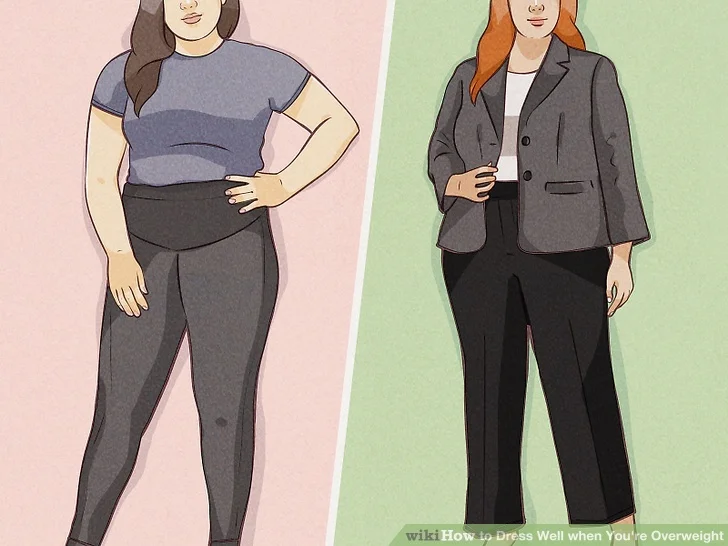
Unflattering Clothing Fits – Improve Shape With Better Sizing
An outfit can look disappointing even when the color, fabric, and style are right. Unflattering clothing fits often come down to proportions rather than body shape itself. A small change in shoulder width, waist placement, sleeve length, or pant rise can make clothes sit more naturally and create a cleaner overall silhouette.
Why Clothing Fit Changes the Whole Outfit
Fit controls where the eye travels. Clothing that pulls across the chest, collapses around the shoulders, or gathers heavily at the waist can distort proportions even when the garment technically fits on the body.
Better sizing isn’t always about choosing a smaller size. Comparing different cuts and studying fit-reference ideas can help you notice how garment shape changes the way an outfit looks.
Watch Where Fabric Pulls
Horizontal pulling lines usually suggest that a garment needs more room in that area. Buttons that strain, pockets that flare, and fabric that stretches across the hips are other useful clues.
The opposite problem matters too. Large folds around the waist, dropped shoulder seams, or excessive fabric behind the thighs can make clothing appear sloppy rather than intentionally relaxed.
Get the Shoulder and Waist Placement Right
Shoulders are one of the hardest areas to disguise. On most structured shirts, jackets, and dresses, the shoulder seam should sit close to the natural edge of your shoulder unless the garment is designed with an oversized cut.
Waist placement affects proportion just as strongly. Exploring different wardrobe planning perspectives can make it easier to compare high-rise, mid-rise, and lower-waist combinations instead of automatically choosing the same cut every time.
| Fit Area | Problem Sign | Better Direction |
|---|---|---|
| Shoulders | Seam hangs too low | Try narrower sizing |
| Waist | Fabric pulls or bunches | Adjust cut or rise |
| Sleeves | Cuffs cover the hands | Shorten or size down |
| Pants | Heavy ankle stacking | Choose proper length |
Use Proportion Instead of Chasing a Number
Sizes vary between brands, so the number on the label is a poor measure of whether something actually fits. A medium in one brand can feel closer to a small or large somewhere else.
Pay more attention to balance between your upper and lower halves. A roomy top often looks cleaner with straighter or more controlled bottoms, while wider trousers can pair well with a more defined top.
Looking through styling inspiration can also help you recognize combinations where volume is intentional rather than accidental.
Tailoring Can Fix More Than You Think
Some clothing problems don’t require another shopping trip. Hemming trousers, shortening sleeves, taking in a waist, or adjusting a shirt can turn an average garment into something that looks made for you.
Know What Isn’t Worth Altering
Major shoulder reconstruction, significant jacket resizing, or complicated fabric changes may cost more than replacing the item. Alterations work best when the garment already fits reasonably well through its hardest-to-change areas.
For everyday pieces, focus first on length and waist adjustments. Those changes often create the biggest visual improvement for the least effort.
Common Sizing Mistakes That Hurt an Outfit
One common mistake is buying smaller clothing because it feels more flattering in theory. Tight clothing can highlight pulling, distort seams, and make movement uncomfortable.
Another mistake is assuming oversized automatically means stylish. Intentional oversized clothing still needs controlled proportions. If every piece is long, wide, and loose, your shape can disappear completely.
Size labels also deserve less attention. The most flattering choice is the one that hangs properly, allows natural movement, and works with the intended silhouette.
Frequently Asked Questions
How can I tell if my clothes are too small?
Look for stretched seams, horizontal pulling lines, buttons that strain, pockets that flare, or restricted movement. Clothing should follow your shape without constantly pulling against it during normal movement.
Can loose clothing still be flattering?
Yes. Loose clothing works well when the volume appears intentional. Keeping one area more defined, choosing proper lengths, or using structured fabrics can prevent relaxed pieces from looking shapeless.
Should every outfit show the waist?
No. Straight, boxy, and oversized silhouettes can look polished without waist definition. The important factor is overall proportion, including shoulder placement, garment length, and how the top and bottom work together.
Build Your Wardrobe Around Fit First
Before replacing an outfit you dislike, check where the garment actually sits on your body. Try another size, compare a different rise or cut, and consider a simple alteration. Better sizing often improves an outfit more than adding another trend, accessory, or expensive piece ever could.