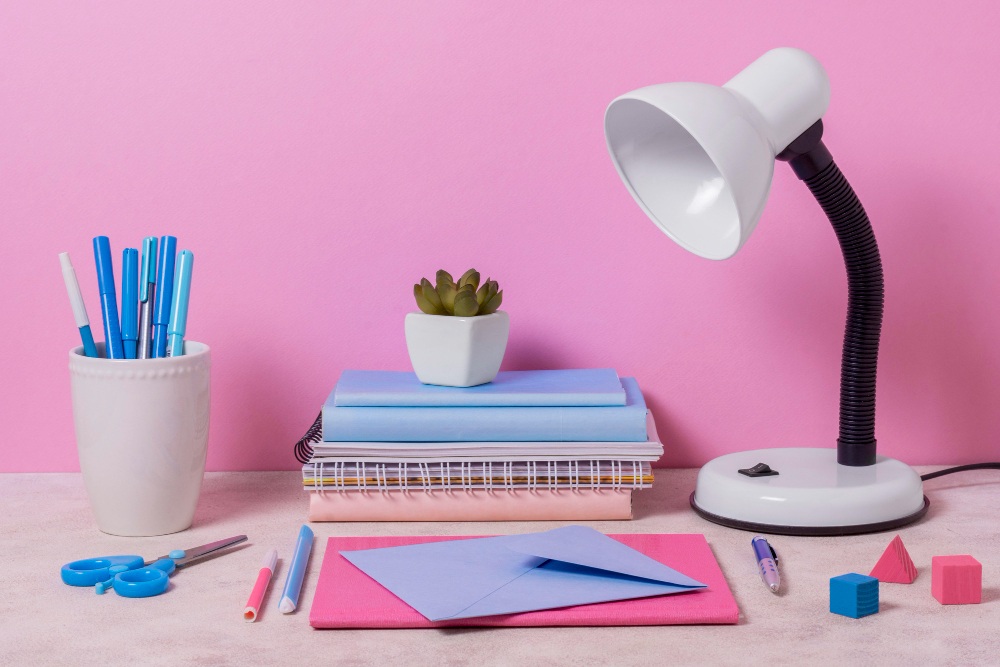
Weak Reading Lighting – Reduce Strain With Better Illumination
Weak reading lighting can make close work feel harder than it needs to be. Your eyes may feel tired, dry, sore, or slow to refocus after reading for a while. Better illumination can reduce that unnecessary visual effort, especially when the page, screen, and surrounding room have a comfortable balance of brightness.
Why Can Poor Lighting Make Reading Uncomfortable?
Reading requires steady focusing and coordination between both eyes. Dim surroundings may encourage squinting, leaning closer, or concentrating harder on small print, particularly if you already have an uncorrected vision problem.
The National Eye Institute notes that dim light may make the eyes feel tired, although it does not damage them. That distinction matters: discomfort is real, but weak lighting itself does not mean your eyesight is being permanently harmed.
Build a Better Reading Light Setup
Place a lamp so the page is bright without sending glare directly into your eyes. A light positioned beside or slightly behind your shoulder often works better than a bare bulb directly in front of you.
People comparing desk or reading setups may encounter general reading pages alongside health resources. Nonclinical material can offer ideas about comfort or surroundings, but eye-health claims are better checked against recognized medical sources.
| Lighting Issue | What You May Notice | Better Approach |
|---|---|---|
| Dim page | Squinting or leaning closer | Increase useful light |
| Strong glare | Tired or irritated eyes | Reposition the lamp |
| Small text | Extra focusing effort | Increase text size |
| Dark room, bright screen | Visual discomfort | Balance room lighting |
Adjust Screens and Printed Material Too
Lighting is only part of the picture. Enlarging small print, increasing screen text size, reducing distracting reflections, and keeping reading material at a comfortable distance can all make sustained close work easier.
Design choices discussed on design-oriented pages may inspire workspace changes, but appearance and visual comfort are not always the same thing. A stylish lamp that produces harsh glare can still be a poor reading light.
Pay Attention to Contrast
Dark text on a clean, adequately lit background is usually easier to read than faint text against a busy surface. On electronic devices, adjust brightness so the screen does not look like a glowing light source in an otherwise dark room.
Give Your Eyes Opportunities to Change Focus
Long periods of close work can contribute to tired eyes even when the lighting is good. Briefly looking away from the page, blinking normally, and changing your working distance can help interrupt continuous near focusing.
Readers browsing broader content sites may find many comfort suggestions online. Those ideas should not replace an eye examination when strain keeps returning despite reasonable changes to lighting and reading habits.
What People Often Get Wrong About Dim Light
A common assumption is that reading in dim light will permanently weaken the eyes. Current eye-health guidance does not support that claim. The more practical concern is temporary fatigue, discomfort, or the possibility that poor lighting is making an existing focusing problem easier to notice.
Another mistake is blaming every reading headache on the lamp. Refractive errors, dry eyes, outdated glasses, or problems coordinating the eyes during close work can produce similar symptoms.
When Should Eye Strain Be Evaluated?
Arrange an eye examination if reading repeatedly causes blurred vision, headaches, double vision, substantial eye discomfort, or difficulty focusing even after improving the lighting. An updated prescription may sometimes be needed.
Sudden vision loss, severe eye pain, a significant eye injury, or abrupt major changes in vision deserve prompt medical attention rather than repeated attempts to adjust a lamp or screen.
Frequently Asked Questions
Can brighter lighting improve reading comfort?
It can. Better illumination may make print easier to distinguish and reduce the tendency to squint or lean toward the page, although persistent symptoms can have causes unrelated to lighting.
Is reading in dim light harmful to eyesight?
Dim lighting can make the eyes feel tired, but recognized eye-health guidance does not consider ordinary reading in dim light a cause of permanent eye damage.
Why do my eyes still hurt with a good reading lamp?
Lighting may not be the main cause. Dryness, prolonged near work, an outdated vision prescription, or another eye problem can create similar discomfort and may justify an examination.
Make Reading Easier on Your Eyes
Improving weak reading lighting is a sensible first move because it removes an avoidable source of visual discomfort. Aim for adequate page illumination, low glare, readable text, and comfortable surroundings. If strain remains frequent, worsening, or accompanied by noticeable vision changes, an eye-care professional can help determine what else may be contributing.
This article is for general informational purposes and is not a substitute for professional medical advice, diagnosis, or treatment.